How to Remove Paint Stains from Clothes: Proven Tricks That Save Your Outfits

So you got a paint stain on a precious piece of clothing one fine day when things were hectic: that home improvement weekend, a school art project, or temporary touch-ups to a piece of furniture. Your skill at treating paint stains can bring one of the biggest choices: to save your favorite dress or throw it away. The good news is that when paint stains are handled promptly, most are manageable. It is prompt treatment, identification of the paint used, and an approach to application that is fabric-friendly, which leads to successful stain removal.
How to treat the stain depends on whether it was painted with water-based wall paint or oil-based enamel. On some paintings, the normal household products work just fine, while others require some degree of patience or the intervention of a professional. This step-by-step guide shows how one can be sure to remove paint stains from clothes without damaging any fabric fibers or colors. It tells one all the “dos” and “don’ts” for dealing with fresh splashes to dried-on messes. Also, when it should be a matter of sound practical sense to give up, and when to get an expert in.
Know Your Paint Enemy: Understand the Type of Paint Stain First
Paint stains are very common during household painting and DIY projects, especially when protective clothing is skipped. Identifying the paint type early makes it easier to remove paint stains from clothes, particularly when the stain is still fresh and hasn’t bonded deeply with the fabric fibers.
Water-Based Paint Stains (Latex & Acrylic)
Water-based paints, such as latex and acrylic, are widely used for walls and indoor surfaces. They are generally easier to handle when fresh, but once dry, they can cling stubbornly to fabric. These stains still respond well to soap-based treatments and gentle washing methods.
Oil-Based Paint Stains
Oil-based paints are tougher and commonly used for metal railings, doors, or woodwork. They penetrate fabric quickly and often require solvents. While it’s possible to remove stubborn paint stains, complete removal depends on fabric type and how quickly you act.
Dried vs Fresh Paint Stains
Fresh paint stains are far easier to treat. Dried stains need more effort, repeated treatments, and sometimes professional help. Managing expectations is important. Some old stains may fade rather than entirely disappear.
How to Remove Water-Based Paint Stains From Clothes (Step-by-Step Guide)
Water-based paint stains are among the most common laundry issues, especially after home renovations, school projects, or casual DIY work. These paints are designed to dry quickly, which is great for walls, but not for clothes. The following steps focus on breaking down paint particles early while protecting fabric fibers and preventing color damage. Acting methodically rather than aggressively gives the best results when you want to remove paint stains from clothes safely.
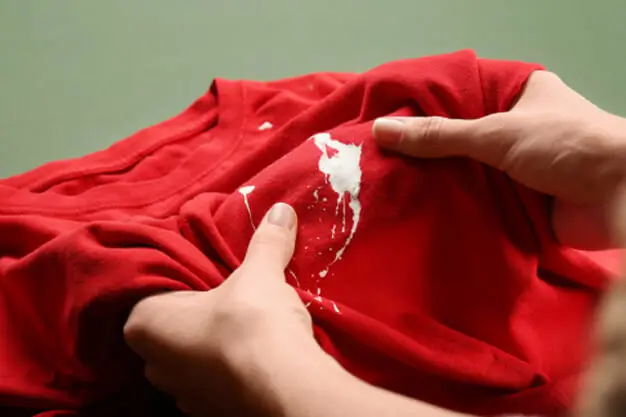
Step 1 – Act Quickly Before the Paint Dries
Timing plays the most critical role in stain removal. Wet or semi-wet paint sits on the surface of the fabric, making it easier to lift before it bonds with the fibers. Once the paint dries, it hardens and forms a film that clings tightly to the cloth. Starting immediately improves your chances to remove paint stains from clothes completely rather than just fading them.
Step 2 – Scrape Off Excess Paint Gently
The second step to remove the most common stains from clothes, like paint, is to scrape off as much excess paint as possible. Use a spoon, a credit card edge, or a blunt knife to lift the paint carefully. Pressing too hard can force paint deeper into the fibers, making it harder to remove later. Gentle scraping keeps the stain superficial and easier to manage.
Step 3 – Rinse the Stain With Warm Running Water
Hold the garment under running water so it flows from the back of the stain outward. This reverse-rinsing technique pushes paint particles out of the fabric rather than spreading them across a larger area. Warm water works well for water-based paint, but avoid hot water at this stage to prevent the stain from setting.
Step 4 – Apply Liquid Detergent or Dish Soap
Liquid detergents penetrate fabric better than powder detergents. Apply a small amount of dish soap or liquid laundry detergent directly onto the stain. In Pakistan, products like Surf Excel Liquid, Ariel Liquid, or Lux dish soap are effective and readily available. Gently massage the soap into the stain with your fingers or a soft cleaning cloth to help loosen any remaining paint residue.
Step 5 – Wash as Per Fabric Care Label
Always check the care label before washing. The label provides guidance on water temperature, wash cycle, and drying instructions. Following it ensures you remove paint from clothes without shrinking, fading, or weakening the fabric. Never dry the garment until the stain is fully gone, as heat can permanently lock it in.
Also Read – Want to learn the importance of reading washing labels? Check out our blog and get the details.
How to Remove Oil-Based Paint Stains From Clothes Safely
Oil-based paint stains are more stubborn and require extra caution. These paints are thicker, penetrate deeper into fabric, and don’t dissolve in water alone. Using the correct technique helps remove paint stains from clothes while minimizing damage and safety risks.
Step 1 – Blot the Stain (Do Not Rub)
Blotting absorbs excess paint without spreading it further. Place a paper towel or an absorbent cloth beneath the stain, and gently blot from the top. Rubbing can smear the paint across the fabric and push it deeper into the fibers, making removal more difficult.
Step 2 – Use a Suitable Solvent Carefully
Apply a small amount of turpentine or paint thinner to a cloth, then dab the stain directly onto the fabric. Always work in a well-ventilated area and wear gloves if possible. Avoid using solvents on delicate fabrics, as they can cause discoloration or fiber damage. This step is especially helpful when trying to remove paint from clothes.
Step 3 – Rinse and Apply Dish Soap
After solvent treatment, thoroughly rinse the area to remove any chemical residue. Apply dish soap to break down remaining oil traces and help clean paint stains more effectively. This step prevents lingering odors and prepares the garment for washing.
Step 4 – Wash Separately
Wash the stained garment separately. This prevents loosened paint particles or solvent residue from transferring to other clothes and ensures you fully remove paint stains from clothes without cross-contamination.
How to Remove Dried Paint Stains From Clothes Without Panic
Dried paint stains are more challenging, and full removal may not always be possible. The goal is to lighten the stain as much as possible while protecting the fabric’s structure and color.
Scrape and Loosen the Paint First
Use a blunt tool to lift dried paint flakes from the surface gently. Work slowly and avoid sharp objects or heavy pressure, which can tear fibers or create rough patches on the fabric.
Soak With Warm Water and Detergent
Soaking helps soften paint residue and allows detergent to penetrate deeper. Use warm water and a mild detergent, soaking for 30–60 minutes. This process gradually loosens paint so you can remove tough stains without aggressive scrubbing.
Repeat Treatment or Seek Professional Help
Some stains need multiple rounds of treatment. If progress stalls or the fabric shows signs of stress, it’s best to stop. Professional services use specialized methods to safely remove stubborn paint stains without risking permanent damage.
Paint Stain Removal for Delicate & Special Fabrics
Delicate fabrics require extra caution because they react quickly to friction, heat, and chemicals.
Cotton & Linen
These fabrics are durable but can still fade or weaken if over-treated. Always patch test before attempting to remove paint stains from clothes completely.
Silk, Wool & Chiffon
These fabrics are highly sensitive to moisture and solvents. Home stain removal can cause shrinkage, dullness, or texture loss. Professional dry cleaning is the safest choice.
Denim & Colored Fabrics
Denim and dyed fabrics may bleed during stain removal. Cold-water testing and color-safe products help you remove paint from clothes without uneven fading.
Common Mistakes That Make Paint Stains Worse
Many paint stains become permanent because of rushed or incorrect cleaning techniques.
Using Hot Water Too Early
Hot water can permanently set paint stains. Always start with cold or warm water, depending on the paint type.
Rubbing the Stain Aggressively
Scrubbing spreads paint and weakens fibers. Gentle blotting is far more effective and fabric-safe.
Skipping a Patch Test
Testing on an inside seam prevents color loss and fiber damage, especially when trying to remove stubborn paint stains.
Ignoring Care Labels
Care labels provide essential instructions and limits for washing and drying. Ignoring them can ruin garments even if the stain improves.
When to Choose Professional Laundry & Dry Cleaning Services
When paint stains are dry and difficult to remove with home cleaning methods, it’s best to contact an expert like Love2Laundry. We offer premium-quality results and a cost-effective pricing structure suitable for everyone.
Even if you’re looking for some details, you can contact us, and our customer service team will answer your questions, whether it’s about pickup and delivery or the guarantee for fabric safety. Here’s how we satisfy our customers with quality service.
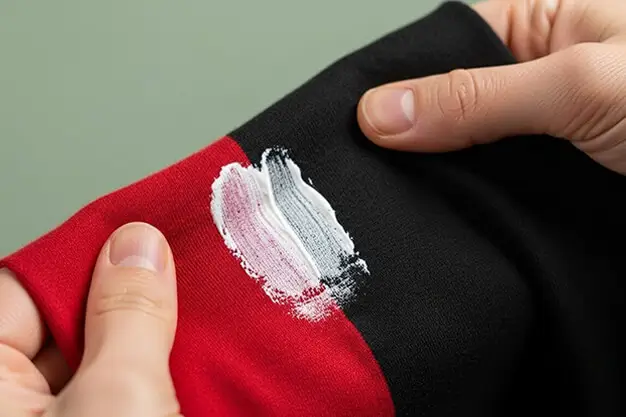
Stubborn or Old Paint Stains
Set-in stains often require professional-grade solvents and controlled techniques to remove paint stains from clothes effectively.
Expensive or Delicate Clothing
High-value garments deserve expert care to maintain their appearance and lifespan.
Time-Saving & Fabric-Safe Solution
Professional services like Love2Laundry offer convenience, fabric-safe handling, and consistent results, saving time, effort, and stress.
FAQs: Detailed Answers to Common Paint Stain Questions
Can hand sanitizer remove paint?
Yes, alcohol-based hand sanitizer can help loosen small acrylic or latex paint stains, especially on cotton. However, it may fade dyes, so patch testing is essential.
Can dish soap remove paint stains?
Dish soap works well on fresh water-based paint stains because it breaks down paint binders. It’s one of the safest household options to remove paint stains from clothes.
What removes paint the fastest?
Speed matters more than products. Immediate blotting, reverse rinsing, and detergent application give the fastest and safest results.
Conclusion: Save Your Clothes, Not the Stains
Paint stains don’t have to mean the end of your favorite outfit. With the right approach, tools, and timing, you can often remove paint stains from clothes effectively, even after a messy DIY project or accidental spill. Understanding the paint type, acting quickly, and respecting fabric care labels all contribute to better results. While fresh stains are easier to handle, dried or oil-based stains may still improve with patience and repeated treatment.
However, knowing when to stop is just as important. If you’ve tried multiple methods without success, professional care is the safest way to remove paint stains from clothes without risking permanent damage. Whether it’s a work uniform, a special occasion outfit, or everyday wear, expert laundry services ensure fabrics stay clean, intact, and wearable for longer. When in doubt, choosing professional help saves both time and clothes.