How to Clean a Rug at Home for a Fresh, Flawless Living Room Look
Spilling coffee on your favorite rug or outfit is a morning nightmare. You watch the dark liquid sink into the fibers, and panic sets in immediately. However, you can clean a rug at home without losing your cool or ruining the fabric. Most people think aggressive scrubbing is the answer, but that actually pushes the pigment deeper into the pile. The secret lies in quick action and the right balance of moisture. If you act fast, you can lift the tannins before they bond with the material permanently.
This guide focuses on high-impact results with low-stress techniques. We will look at how to clean a rug at home using household staples that you likely already have in your pantry. From wool to nylon, every material needs a specific touch to stay soft and vibrant. Forget the expensive industrial machines for a moment; we are going back to basics with expert rug cleaning tips. Whether it is a latte splash or a muddy paw print, these steps will help you maintain a spotless living space. Let’s dive into the best ways to keep your floor coverings looking brand new.
Why Rug Cleaning Is Essential for a Healthy Living Room
Your rug acts as a giant air filter for your home. It traps dust, pollen, and skin cells that float in the air. Over time, these particles settle deep into the base. If you do not clean a rug at home, these allergens recirculate every time you walk across the room. Dirty rugs also harbor bacteria and dust mites that can trigger asthma or allergies. Regular maintenance keeps your indoor air quality high and prevents abrasive grit from breaking down rug fibers.
Identify Your Rug Type Before Cleaning
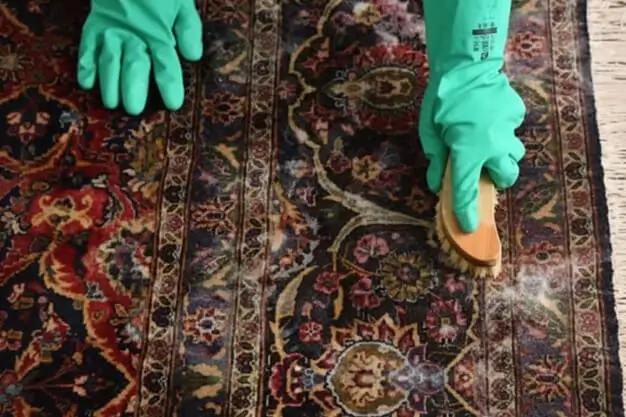
You cannot treat every rug the same way. Knowing your material is the first rule of professional-grade care.
Natural Fiber Rugs (Wool, Cotton, Jute)
Wool is durable but holds a lot of water. It requires a cold water wash to prevent shrinking. Jute and sisal are very absorbent. They can brown or warp if they get too wet. Always use minimal liquid on these plant-based fibers.
Synthetic Fiber Rugs (Polyester, Nylon, Acrylic)
These are much easier for washing rugs at home. They resist staining better than natural fibers. You can use slightly more water and standard detergents on these. They are the best candidates if you decide to steam clean a rug for a deep refresh.
Tools and Supplies Needed for Home Rug Cleaning
Gather your gear before you start. You will need a vacuum with a brush bar, a soft-bristle scrub brush, and several clean microfiber towels. For cleaning agents, mild dish soap or a dedicated rug shampoo works best. Have a bucket of cool water and a spray bottle ready. If you plan to steam clean a rug later, ensure the machine is rated for your floor type.
Step-by-Step Guide to Clean a Rug at Home
These are the steps you should follow to efficiently clean a rug at home
Step 1 – Remove Loose Dirt and Dust
Never wet a dusty rug, or you will just create mud. Vacuum the rug thoroughly on both sides. Flip it over and vacuum the back to loosen grit trapped deep in the foundation. This is one of the most important rug cleaning tips for a streak-free finish. If possible, take it outside and give it a good shake to release fine particulates.
Step 2 – Test Cleaning Solution on a Small Area
Before applying anything to the center, pick a corner. Apply your solution and wait five minutes. Blot it with a white cloth to check for color bleeding. This ensures you won’t ruin the pattern while you clean a rug at home. If the cloth stays white, you are safe to proceed.
Step 3 – Spot Clean Visible Stains First
Focus on the problem areas, like coffee or wine spills. Use a spot-cleaning technique by dabbing the area from the outside in. This prevents the stain from spreading. Do not rub, as this damages the fiber structure and creates a “fuzzy” patch that catches light differently.
Step 4 – Wash the Rug Surface Gently
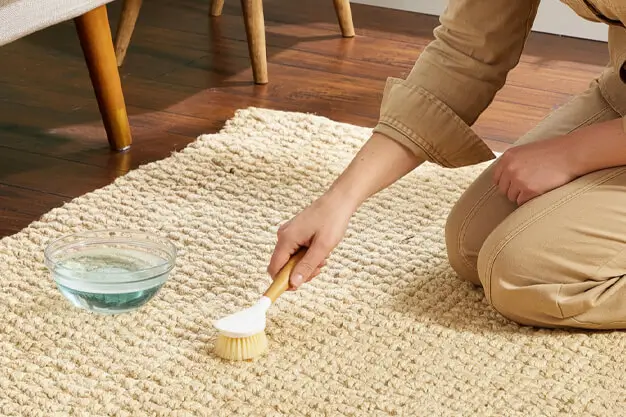
Apply your soap solution to the rug sparingly. Use a brush to work it into the pile with long, straight strokes. Work in small sections so the soap does not dry before you can rinse it. Avoid heavy pressure; let the chemistry of the soap do the work for you.
Step 5 – Rinse Without Over-Wetting
Use a damp cloth or a light spray of water to remove the soap. Excess water can lead to mold or a “musty” smell, so keep the moisture levels controlled. Ensure no bubbles remain, as dried soap attracts dirt faster than a clean rug.
Step 6 – Remove Excess Water Properly
Use a squeegee or dry towels to soak up as much liquid as possible. Press down hard to pull moisture from the base of the fibers. You can even walk on the towels to use your body weight for maximum absorption. The dryer is now, the faster it finishes later.
Step 7 – Air Dry the Rug Completely
Prop the rug up to let air circulate underneath. You must air dry rug surfaces fully before placing them back on wood floors to avoid damage. Use floor fans or a dehumidifier to speed up the process. Keep it away from direct, harsh sunlight, which can bleach the colors over several hours.
How to Handle Common Rug Stains at Home
Food and Drink Stains
Most food spills come out with a mix of dish soap and water. For dark liquids like juice or wine, a bit of salt or club soda can help soak up the pigment before you wash it. Always blot upward rather than pushing down into the rug backing.
Pet Odors and Urine Stains
Pet accidents require an enzymatic cleaner or a vinegar mix to neutralize the urea. These break down the proteins that cause the lingering smell that leads pets back to the same spot. It is the best rug cleaning method for homes with furry friends who have occasional mishaps.
Grease and Oil Stains
For greasy kitchen spills or wax, cornstarch is your friend. Sprinkle it on the spot, let it sit for an hour to absorb the oil, then vacuum it up before washing. If the grease is stubborn, a tiny drop of degreasing dish soap works wonders on synthetic fibers.
Mistakes to Avoid When Cleaning Rugs at Home
The biggest error is using too much water. A soaked rug takes days to dry and will start to smell. Also, avoid using hot water on wool, which causes permanent shrinkage. Check out the differences in line dry vs. tumble dry to see why heat is often a rug’s enemy. Using the wrong soap is another pitfall; read up on laundry powder vs liquid to understand which formulas rinse out easier. Never use bleach or oxygen-based cleaners on natural fibers without a spot test.
How Often Should You Clean Your Rug?
High-traffic areas like entryways need more frequent attention. You should vacuum twice a week and deep clean a rug at home every twelve months. If you have pets or kids, you might need to steam clean a rug every six months to keep it fresh. Seasonal cleaning prevents the buildup of fine dust that cuts rug fibers over time.
When to Choose Professional Laundry and Dry Cleaning for Rugs
If you have a silk rug or an antique Persian rug, do not attempt to DIY it. Professionals have the tools to handle delicate dyes and fragile foundations. Sometimes the pricing for a pro clean is worth the peace of mind for expensive decor. If a rug is heavily flooded or has a strong, musty odor, a professional immersion wash is the only way to save it.
Benefits of Choosing Love2Laundry Pakistan for Rug Cleaning
For those living in busy areas, finding the best laundry solutions in Model Town makes life easier. Professional services handle the heavy lifting, deep extraction, and drying process perfectly. They use industrial-grade equipment that removes more water than home towels ever could. If you are unsure about doing it yourself, feel free to contact us for expert advice or a pickup.
FAQs – Clean a Rug at Home
What is the best way to clean my rug?
The most effective approach involves thorough vacuuming followed by light foam shampooing. This lifts dirt without soaking the carpet’s delicate backing.
Does baking soda actually clean rugs?
Baking soda is effective at neutralizing odors and absorbing small amounts of moisture. It does not remove deep dirt but keeps the fabric smelling fresh.
What are the common rug cleaning mistakes?
Using too much water and scrubbing too hard are the most frequent errors. These actions lead to mold growth and permanent fraying of the rug fibers.
Fresh Rugs, Fresher Living – Your Path to a Spotless Home
Learning how to clean a rug at home is a vital skill for any homeowner. It saves money and keeps your living environment healthy. By following these rug cleaning tips, you can tackle spills and dust before they become permanent fixtures in your floor. Remember to always check your labels and test your solutions first.
While DIY methods work for daily maintenance, expensive or fragile items deserve expert care. A clean rug changes the entire feel of a room, making it look brighter and more inviting. If the task feels too big, professional help is always an option to restore your rug to its original glory. With the right tools and a little patience, you can maintain a flawless look that lasts for years. Take the time to clean a rug at home today and enjoy a fresher, more beautiful living space.