How to Remove Slime From Clothes: Proven Techniques That Actually Work
Slime can be a nightmare for parents and a favorite plaything for children. This sticky mess quickly embeds itself in fabric fibers. Knowing how to remove slime from clothes is crucial because the ingredients, like glue and borax, are designed to bond with the fabric. If left too long, this bond becomes permanent. Acting quickly is key to saving your favorite outfits.
DIY methods can work for minor accidents, but some stains are more stubborn. Professional experts understand the science behind fabric care. For tough residues, a trusted laundry service in lahore like Love2Laundry provide specialized treatments using eco-friendly solvents that break down polymers without damaging the fabric’s color.
Whether it’s a fresh spill or a stubborn, dried mess, you can remove slime from clothes with the right approach. This guide will take you through everything from pantry staples to expert techniques. Stop worrying about messy playtime and start using these proven cleaning strategies today.
Why Slime Sticks to Fabric and Why Fast Action is Crucial
To effectively remove slime from clothes, you must understand its chemistry. Slime is a non-Newtonian fluid. It behaves like both a liquid and a solid. The primary ingredient is usually PVA glue. When this glue hits fabric, it seeps into the microscopic gaps between the threads. As it dries, it hardens and creates a physical lock. This is why you must get rid of slime on clothes as soon as the spill happens.
If left too long, the slime undergoes cross-linking, causing the molecules to bond more tightly. Oxygen and heat make it brittle, making it harder to lift as it flakes into the fabric weave. Immediate treatment prevents the slime from becoming a permanent part of the garment.
Acting quickly can save you from discarding expensive uniforms or designer shirts. It also lets you clean slime from clothes without relying on harsh chemicals that weaken the fabric over time.
Things to Do Before Removing Slime From Clothes
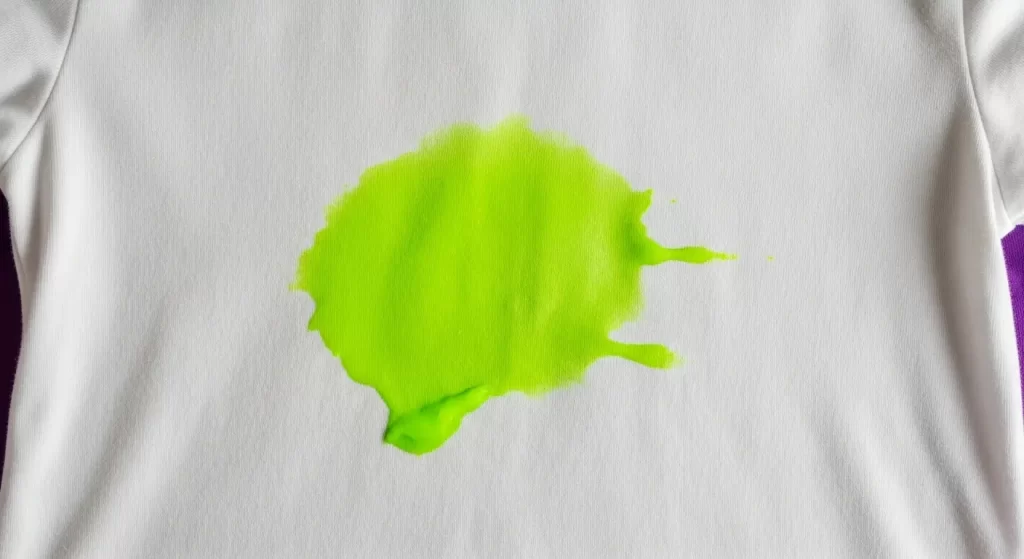
Preparation is key. Avoid jumping straight into washing the garment. Instead, use a spoon or dull butter knife to gently scrape off the excess slime. Be sure not to press down, as this can push the slime further into the fabric. Your goal is to lift off as much of the mess as possible first.
Next, read the fabric care label inside the piece of clothing. This tag tells you the maximum temperature the fabric can handle. It also warns you about specific chemicals to avoid. Before applying any cleaner, perform a spot test.
Pick a hidden area like an inside seam. Apply a small drop of your cleaning solution. Wait five minutes to check for color fading or texture changes. This step keeps your clothes safe from accidental damage during the cleaning process.
Best Household Ingredients to Safely Remove Slime
You don’t always need expensive chemicals to remove slime from clothes—your kitchen is full of effective cleaners. These ingredients are mild yet powerful enough to break down synthetic glues, making them perfect for cotton t-shirts and polyester blends. However, be cautious with delicate fabrics, as natural fibers can react differently to household acids and bases.
Baking Soda and Water Paste
Baking soda is a natural abrasive and absorbent. It works by pulling moisture from the slime, causing it to lose its grip on the fabric. To use, mix three parts baking soda with one part water to create a thick paste. Spread it generously over the affected area and let it dry completely. As the paste hardens, it lifts the slime. Gently rub the dried paste with a soft brush before rinsing.
Liquid Dish Soap for Fresh Slime
Dish soap is designed to cut through grease and polymers. It is very effective if you catch the mess while it is still wet. Apply a few drops of clear dish soap directly to the spot. Use your fingers to massage the soap into the fibers.
Add a little warm water to create suds. This helps to get rid of slime on clothes by lubricating the glue particles. Once the residue feels loose, rinse the area thoroughly under a faucet.
White Vinegar for Slime Breakdown
Vinegar contains acetic acid. This acid is the enemy of craft glue. It dissolves the chemical bonds that make slime sticky. For the best results, use distilled vinegar. Do not soak the entire garment in it. Instead, dip a clean cloth into the vinegar and blot the stain.
Blotting pulls the slime onto the cloth. Rinse the fabric immediately after the slime disappears. This prevents a lingering sour smell and protects the fiber integrity.
How to Remove Fresh Wet Slime From Clothes
The easiest way to remove slime from clothes is to catch it while it is still wet. Wet slime has not yet fully bonded with the inner core of the yarn. You can often lift it off without leaving any ghosting or permanent marks. Speed is your best friend in this scenario.
Keep the garment away from heat sources. Heat acts as a curing agent for glue-based products. If you put a wet slime stain near a heater, it will set instantly. Stick to room temperature or cool environments while you work on the spill.
Step-by-Step Method for Fresh Slime Stains
- Scrape: Use a plastic card or spoon to lift the top layer of goo.
- Apply Cleaner: Use dish soap or vinegar on the wet patch.
- Rinse: Run water through the back of the fabric to push the slime out.
- Inspect: Check the area closely for any remaining shine or stickiness.
- Air Dry: Never use a machine dryer yet. Hang the item to dry.
If you see any trace of the stain after air drying, repeat the steps. Machine drying a partial stain makes it nearly impossible to take off slime off clothes later.
How to Remove Dried Slime From Clothes
Dealing with a crusty, hard patch of dried slime requires a different approach. Scraping it off could tear the fabric or cause pilling, which weakens the material. Instead, you need to rehydrate the mess first. This process takes more time and patience than handling fresh spills.
The goal is to soften the slime and return it to its liquid state. Once softened, the removal process follows the same steps as with fresh stains. Be cautious not to use sharp objects that could cut the threads of your clothing.
Softening Dried Slime Before Cleaning
To remove dried slime from clothing, start with warm water or a vinegar solution. Soak the crusty area for at least ten minutes. You will feel the slime becoming gummy again. This is a good sign. Once it is soft, you can safely use a soft-bristled toothbrush to agitate the fibers. Work in circular motions to lift the particles.
Removing Residue After Slime Is Lifted
Even after the main slime is removed, a sticky ‘shadow’ or residue often remains. This is the leftover glue. To remove it, apply a laundry pre-treatment spray or a small amount of heavy-duty detergent to the spot. Let it sit for 15 minutes. This step ensures you completely remove slime from clothes without leaving a permanent dark spot on the fabric.
Advanced Techniques for Stubborn or Old Slime Stains
Sometimes, you may find a slime stain days later, possibly after the clothes have already gone through a cold-water wash cycle. These stains become ‘set,’ and traditional soap and water might not be effective. In such cases, stronger solvents are needed to break the hardened polymer chains.
Using Rubbing Alcohol Carefully
Rubbing alcohol is a powerful solvent. It can remove dried slime from clothing when everything else fails. It works exceptionally well on glues and dyes. Dampen a cotton ball with alcohol. Dab the stain gently.
You should see the color of the slime transferring to the cotton. Do not rub harshly. Rubbing can spread the stain. Always wash the garment immediately after using alcohol to prevent the fabric from drying out and becoming brittle.
When to Choose Professional Laundry and Dry Cleaning
There are times when DIY methods are too risky. If the stain is on silk, wool, or dry-clean-only items, stop immediately. Water and vinegar can shrink wool or water-spot silk. If you cannot remove slime from clothes after two attempts, call the experts.
A reliable laundry services has access to industrial-strength digesters. These are enzymes that “eat” the glue without hurting the fabric. We also understand the pricing involved in replacing high-end clothes versus cleaning them. It is much cheaper to pay for a professional cleaning than to buy a new suit or dress. If you are unsure, you can always contact us to ask about specific fabric treatments.
What Not to Do When Removing Slime From Clothes
Many people make the mistake of using boiling water. They think heat melts the slime. In reality, heat cooks the proteins and glues into the fabric. This makes the stain permanent. Always avoid high heat until you are 100% sure the slime is gone.
Another mistake is mixing chemicals. Never mix bleach with vinegar or ammonia. This creates toxic fumes. Stick to one cleaning agent at a time. Also, avoid using wire brushes. They are too aggressive and will shred the surface of your garment. Gentle, repetitive motions are better than one forceful scrub.
Tips to Prevent Slime Stains on Clothes
Prevention is the best way to manage the slime craze. You don’t have to ban the toy. You just need better rules. Setting boundaries helps keep your laundry pile manageable and your stress levels low.
Designate a Slime Play Area
Keep slime activities in the kitchen or outside. Avoid carpeted rooms or areas with upholstered furniture. Use a large plastic tray or a silicone mat for the slime. This keeps the mess contained. If the slime stays on the tray, it stays off the sleeves.
Use Protective Clothing or Aprons
Make it a rule that kids must wear an old t-shirt or a plastic apron during play. This is especially helpful for laundry care, such as washing baby clothes or toddler outfits. If the slime lands on a “play shirt,” the pressure to remove it perfectly is gone. It is a simple habit that saves your expensive wardrobe from accidental ruin.
Why Choose Love2Laundry for Slime-Stained Clothes
When you need to remove slime from clothes without the hassle, Love2Laundry is the best choice. We provide expert care for all types of garments. Our team uses professional techniques to get rid of slime on clothes while preserving the texture of the fabric.
We understand the difference between a line dry vs. tumble dry finish. This attention to detail prevents shrinkage and keeps your clothes looking new. Instead of spending hours scrubbing, you can let the professionals handle it.
We offer convenience, speed, and a guarantee of quality. Choosing a pro service is the most effective way to remove dried slime from clothing when you have a busy schedule.
FAQs – Remove Slime From Clothes
What kind of vinegar removes slime?
You should use distilled vinegar because its clear color prevents staining while the acetic acid effectively breaks down the slime’s adhesive bonds.
Does freezing slime make it easier to remove?
Yes, you can rub the ice cubes over the spot to harden the goo, which allows you to crack and peel the mess away. This is a great manual method to clean slime from clothes before applying any liquid cleaners.
Does alcohol remove slime from clothes?
Rubbing alcohol is a powerful solvent that can remove dried slime from clothing by dissolving the synthetic polymers in the glue.
Slime Stains Solved: Clean Clothes Are Just a Step Away
Dealing with sticky messes is part of life, but it doesn’t have to ruin your wardrobe. You now have the tools to remove slime using simple household items. From baking soda pastes to the power of vinegar, most stains will vanish with a little patience. Remember to scrape first, wash later, and never rush the process with high heat. If the stain is too large or the fabric too delicate, don’t take the risk.
Professional cleaners have the expertise to handle even the toughest glue-based residues. They save you time and protect your investment in your clothing. Use these proven techniques today to keep your outfits looking spotless and fresh.