Bomber Jacket vs Puffer Jacket: The Truth About Fit, Function & Fashion
Choosing between a bomber jacket vs puffer jacket often feels like a choice between sleek style and ultimate warmth. While both are iconic staples in any winter wardrobe, people often confuse them because they share a sporty, waist-length silhouette. However, the differences in construction and purpose are significant. A bomber provides a sharp, structured look, while a puffer is the king of insulation.
In this guide, we compare these two essentials based on their fit, warmth, style, and maintenance needs. Understanding these factors is vital, especially when considering the specific climate of Pakistan. We will also look at why these garments require professional laundry and dry cleaning to maintain their shape and longevity.
Maintaining the quality of these garments is a long-term commitment. Many people attempt to dry clean jackets at home using DIY kits, but these often fail to remove deep-seated oils and odors. Whether you prefer the rugged look of a bomber or the cozy feel of a puffer, knowing how to care for them is the secret to making them last for decades.
What is a Bomber Jacket?
The bomber jacket vs puffer jacket debate starts with history. The bomber, or flight jacket, originated for military pilots during the World Wars. Its design is unmistakable: a short, waist-length cut, a front zipper, and signature ribbed cuffs and hem. These ribbed elements keep the heat in and provide a snug fit.
Common materials include nylon, polyester, and sometimes leather or suede. It fits the body more closely than a puffer, offering a streamlined appearance. This makes it a top choice for casual outings and semi-formal events. It provides moderate warmth without bulk, making it a versatile layering piece. Because of its tailored feel, it remains a favorite for those who want to look sharp while staying comfortable.
The versatility of the bomber jacket lies in its simplicity. It does not overwhelm the wearer with excessive padding. Instead, it relies on high-quality outer shells to block the wind. When considering the steps to clean a bomber jacket at home, one must be careful with the ribbed areas.
What is a Puffer Jacket?
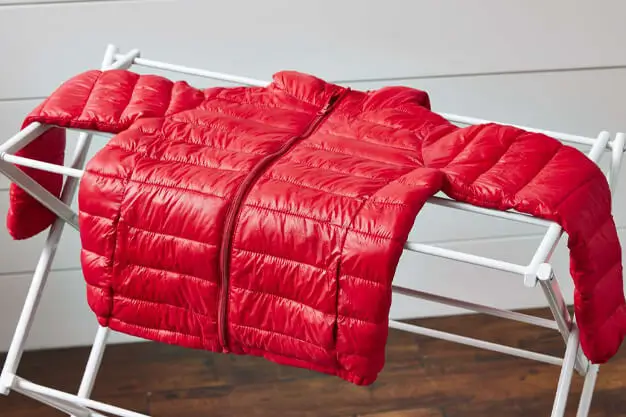
A puffer jacket is defined by its quilted design. The “puffs” are sections of fabric filled with either down feathers or synthetic fibers. These sections trap air, creating a powerful thermal barrier. This insulation is what makes the puffer the go-to choice for extreme cold. The quilted stitching is not just for aesthetics; it prevents the insulation from shifting to the bottom of the garment.
Unlike the sleek bomber, the puffer is intentionally bulky. Its primary goal is heat retention and protection against harsh winds. It is designed for outdoor use and heavy winter conditions. Whether you are commuting on a chilly morning or traveling to the mountains, the puffer offers a level of coziness that few other garments can match. It is the ultimate shield against the bite of winter.
Fit Comparison – Which Jacket Suits Which Body Type?
The bomber jacket vs puffer jacket comparison reveals very different silhouettes. A bomber jacket sits close to the frame. It accentuates the shoulders and tapers at the waist. This works well for athletic or slim body types. For those with broader frames, a bomber provides a neat, organized look that avoids adding extra volume. It creates a “V” shape that is generally flattering for most men and women.
Puffer jackets, by nature, add volume. This can be tricky for smaller frames, as the jacket might “swallow” the wearer. However, modern slim-fit puffers address this. If you prioritize movement and layering, the puffer offers more internal space for thick sweaters. The bomber is better if you prefer a “fixed” look that stays in place. Always choose based on whether you want to emphasize your shape or prioritize maximum comfort and space.
When trying on these jackets, consider your height. A bomber jacket that is too long loses its classic appeal. A puffer that is too short might not provide enough warmth for your lower torso.
Function & Warmth – Which Jacket Performs Better in Winter?
When it comes to pure performance, the bomber jacket vs puffer jacket choice depends on the temperature. A bomber is well-suited to the mild winters in many parts of Pakistan. It blocks wind effectively but lacks the heavy insulation needed for freezing nights. It serves as a great transitional piece for autumn and early spring.
The puffer jacket is the clear winner for high-level warmth. Its quilted pockets hold heat against your body. This makes it ideal for the colder northern regions or for anyone who feels the chill easily. For daily use like commuting on a bike, a wind-resistant bomber might suffice. But for long hours outdoors in peak January, the puffer is your best friend. Both jackets serve a purpose, but the puffer is the heavy-duty option for real cold.
Fashion & Styling – Which Jacket Looks Better for Daily Wear?
Styling a bomber jacket vs puffer jacket requires different approaches. The bomber is a fashion chameleon. It looks great with jeans and sneakers for a day out. You can also pair it with chinos and boots for a smart-casual office look. It has a “cool” factor that feels timeless and polished. It works well with hoodies underneath for a layered, urban aesthetic.
The puffer jacket is more focused on streetwear and functional fashion. It pairs best with joggers, heavy denim, and chunky boots. While it is less “formal” than a bomber, the “athleisure” trend has made the puffer a high-fashion item. If your daily wear is strictly casual, the puffer is a bold statement. If you need something that works for a dinner date or a meeting, the bomber is the safer, more stylish bet.
Color also plays a role in styling. Bombers in olive, navy, or black are classic choices that match almost anything. Puffers often come in brighter, more vibrant colors, which are great for visibility in the snow but harder to style for a professional look. If you want one jacket for all occasions, a neutral-toned bomber is the most versatile tool in your closet.
Material & Fabric Differences That Affect Cleaning
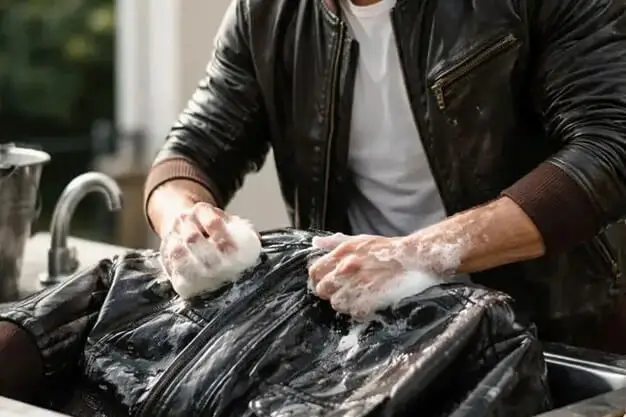
The materials used in a bomber jacket vs puffer jacket determine how you must care for them. Bombers are often made of nylon or delicate leather. These surfaces can be sensitive to chemicals. If you try washing leather bomber jackets at home, you might crack the material or ruin the finish. Leather needs natural oils to stay supple, and standard detergents strip these away.
Puffers usually feature polyester shells and down or poly-fill interiors. Down is notoriously difficult to handle. If it gets wet and stays clumped, the jacket loses its warmth. Some people try to use a cold water wash with a gentle liquid detergent, but the extraction of water is the hard part. Materials such as suede and high-tech microfibers require specific care to prevent water spots and texture loss.
Can You Wash Bomber Jackets and Puffer Jackets at Home?
Many people search for the steps to clean a bomber jacket at home. While possible for basic nylon versions, there are significant risks. Heat is the enemy of these fabrics. Using a hot dryer can shrink the ribbed cuffs of a bomber or melt the thin shell of a puffer. Even air-drying can be problematic if the weight of the water stretches the fabric out of shape.
For a puffer, the biggest risk is the “clump.” Once the internal filling bunches up, the jacket looks lumpy and loses its ability to trap heat. You might try a cold water wash, but without the right equipment, the detergent might not fully rinse out. Residual soap can damage the water-repellent coating on the outer shell. Avoiding these DIY pitfalls is crucial for expensive winter wear.
Why Laundry & Dry Cleaning is Safer for Winter Jackets
Professional care is the only way to protect the integrity of your winter wardrobe. When you choose a professional service, they understand the science of the bomber jacket vs puffer jacket. They use specialized machines that agitate gently and dry thoroughly without damaging the insulation. They have access to solvents that remove oils without saturating the fibers with water.
At Love2Laundry.pk, we specialize in handling complex fabrics. Our process ensures that the stitching remains intact and the colors do not fade. We offer a clear pricing structure, so you know exactly what to expect. Professional cleaning restores the “loft” or puffiness of your puffer and keeps the leather or nylon of your bomber crisp. It is an investment in the life of your clothes.
Beyond cleaning, professionals can spot-treat stains that home remedies may worsen. Coffee, oil, and salt stains are common in winter. If you rub these with a dry microfiber cloth and the wrong chemical, you might set the stain forever. Professionals use pH-balanced solutions that lift stains without damaging the fabric dye.
Bomber Jacket vs Puffer Jacket – Quick Comparison Table
| Feature | Bomber Jacket | Puffer Jacket |
| Primary Fit | Slim, Structured | Bulky, Oversized |
| Warmth Level | Moderate | High / Extreme |
| Best For | Smart-Casual, Daily Wear | Outdoor, Extreme Cold |
| Fabric Type | Nylon, Leather, Polyester | Quilted Nylon, Down-fill |
| Cleaning Need | Professional Dry Clean | Specialized Laundry |
| Wind Resistance | High | Very High |
| Weight | Light to Medium | Medium to Heavy |
| Style Category | Classic / Timeless | Sporty / Streetwear |
Which Jacket Should You Choose for Pakistani Weather?
In the context of the bomber jacket vs puffer jacket debate in Pakistan, your location matters. If you live in central or southern regions like Karachi or Lahore, where winters are short and mild, a bomber jacket is usually enough. It provides the right balance of style and warmth for a cool evening in the city. It is also easier to carry if the afternoon sun warms up.
However, if you are planning a trip to the north or live in areas like Quetta or Islamabad where the temperature drops significantly, a puffer jacket is essential. It is built for survival in the cold. For most urban residents, having one of each is the best strategy. Use the bomber for your daily routine and keep the puffer ready for those few weeks of intense cold or mountain travel.
Storage & Off-Season Care Tips
Proper storage is just as important as cleaning. Before you pack your bomber jacket vs puffer jacket away for the summer, they must be cleaned. Storing a dirty jacket allows stains and odors to set permanently. It also attracts pests, such as moths, that can damage natural fibers. Use a dry microfiber cloth to wipe down zippers and buttons before storage to prevent corrosion.
Never compress your puffer jacket in a vacuum bag for long periods. This crushes the insulation and makes it hard to regain its shape. Instead, hang them in a cool, dry place inside a breathable garment bag. This prevents moisture buildup and protects the fabric from dust. If you have questions about long-term care, feel free to contact us for expert advice.
FAQs – Bomber Jacket vs Puffer Jacket
Does a bomber jacket shrink?
Yes, it can. If you follow the wrong steps to clean a bomber jacket at home, particularly by using high heat in a dryer, the ribbed waist and cuffs will likely shrink.
Why has my puffer jacket gone flat after washing?
This occurs when the internal filling clumps due to moisture. It is a common result of a standard home wash where the drying process is not controlled.
How do I make my puffer jacket puffy again after washing?
Professionals use industrial dryers with specific settings to break up clumps. If you are at home, you can try low heat with clean tennis balls in the dryer, but this is risky for the outer shell.
Final Verdict – Fit, Fashion & Fabric Care Matter
In the battle of bomber jacket vs puffer jacket, the winner depends on your lifestyle. The bomber offers a timeless, sleek fit that works for almost any casual or semi-formal occasion. The puffer provides unmatched warmth and a bold, modern look for the coldest days. Both require specific care to stay in top condition.
Whether you are washing leather bomber jackets or trying to revive a flat puffer, remember that home methods often lead to damage. Understanding the laundry powder vs liquid debate or knowing the best way to wash winter clothes is helpful, but it does not replace professional expertise. For the best results and a fast dry cleaning turnaround time, trust the experts.