How to Remove Pilling from Clothes and Revive Dull, Worn-Out Fabrics
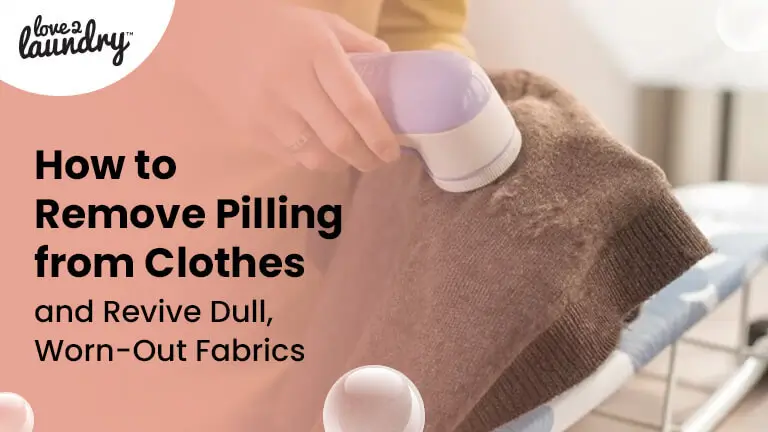
Learning how to remove pilling from clothes is essential for anyone who wants to keep their wardrobe looking sharp. Those annoying little fuzz balls can make a high-quality garment look worn-out and dated overnight. This common problem occurs when loose fibers on your clothes tangle together. While it feels like your clothes are ruined, they are often just in need of a little TLC.
Proper laundry techniques and professional dry cleaning methods can restore your garments to their original condition. Using the right techniques can significantly extend the life of your clothes, keeping them looking fresh longer. Professional care is often the safest bet for delicate items that require a gentle touch.
By understanding how to manage fabric friction, you can keep your outfits looking brand new. Don’t let a few fuzz balls stop you from wearing what you love. With the right tools and a bit of knowledge, you can get rid of pilling on clothes and maintain a polished image every single day.
Introduction: Why Clothes Lose Their Fresh Look Over Time
To effectively remove pilling from clothes, it’s essential to first understand why it occurs. Daily wear and frequent washing create constant friction against the fabric fibers. This mechanical stress causes the material to degrade and appear old. Over time, your vibrant sweaters and sleek trousers can lose their luster and appear dull.
Understanding the causes of pilling is key to maintaining the quality and appearance of your clothes. Knowing the causes of damage helps you take steps to prevent it. A dull appearance is usually the result of microscopic fiber damage and soap residue buildup. Maintaining your clothes in top shape requires more than just a standard wash cycle; it demands careful care and attention. It requires careful handling and appropriate professional support.
What Is Fabric Pilling and How Does It Form?
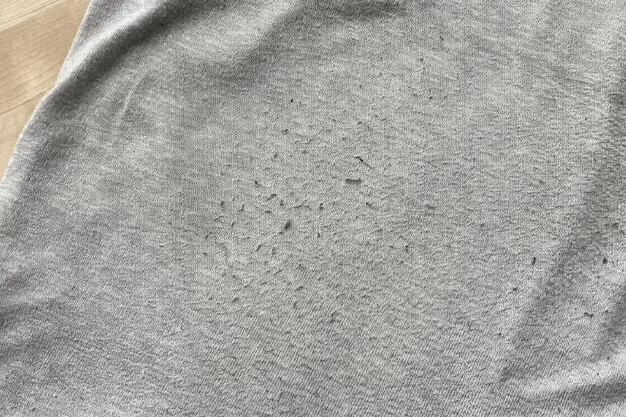
Fabric pilling is the formation of tiny, firm balls of lint on the surface of a textile. It happens when short or broken fibers begin to loosen from the weave. As you move, these loose fibers rub against each other or other surfaces. This friction causes the fibers to twist together into small knots. These knots stay anchored to the fabric by unbroken fibers, creating an unsightly texture.
Pilling usually appears in areas with the most friction. Think about the underarms of a shirt or the inner thighs of trousers. It is not necessarily a sign of poor quality, but rather a natural result of fiber displacement. Even expensive natural fibers can develop these small clusters over time. Identifying the start of this process helps you get rid of pilling on clothes before it becomes a major eyesore.
Common Causes of Pilling in Everyday Clothing
Several factors accelerate the breakdown of your garments. Friction during the washing process is a primary culprit. When clothes rub against zippers or buttons in the machine, fibers snap and tangle. Using the wrong wash cycle can also be harsh on soft materials.
Low-Quality Fabric Blends: Fabrics that mix natural and synthetic fibers are prone to pilling. The strong synthetic fibers hold onto the weaker natural fiber balls.
Overloading the Machine: Packing too many clothes into one load increases friction. The garments don’t have enough room to move freely.
Harsh Chemicals: Using strong soaps can weaken the fabric’s structure.
Incorrect Drying: High heat in the dryer can make fibers brittle and more likely to break.
Improper laundry habits can quickly damage fabric. If you don’t sort your laundry by weight, heavy jeans will rub against soft t-shirts. This constant abrasion is why you may need a fabric pill remover sooner than expected.
Which Fabrics Are Most Prone to Pilling (and Which Resist It)?
Not all materials are created equal when it comes to wear and tear. Synthetic blends, such as polyester mixed with cotton, are the most likely to pill. Wool is also notorious for this issue because its fibers have natural scales that catch on each other. If you frequently need to remove pilling from jumpers, you are likely dealing with wool or acrylic blends.
On the other hand, some fabrics are naturally resistant. Silk and linen have long, smooth fibers that do not tangle easily. Denim is a tightly woven cotton that stands up well to friction. High-quality 100% cotton usually performs better than cheap blends. This knowledge helps you choose better fabrics when shopping. If you have delicate items that are prone to damage, you must use extra caution during the cleaning process.
Safe and Effective Ways to Remove Pilling from Clothes at Home
Removing pilling from clothes at home is possible with the right tools and a careful approach. The goal is to remove pills without damaging the fabric underneath. Different garments require different methods, so choosing the correct technique matters just as much as the tool itself. These are the safe and efficient ways of removing pilling from clothes.
Using a Fabric Shaver for Quick Results
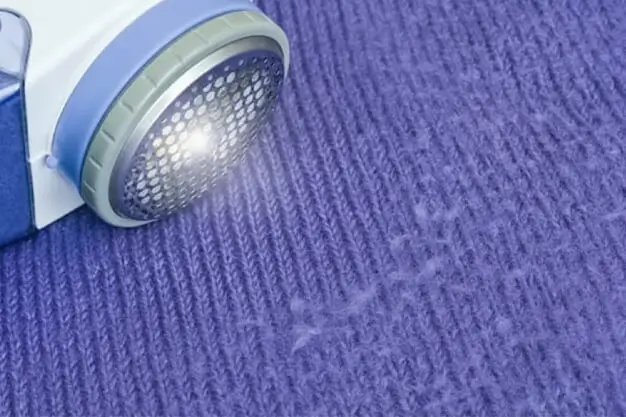
You can remove pilling from clothes at home with the right approach. A fabric shaver is one of the quickest and safest tools when used correctly. Move it lightly across the surface without pressing down. The key is to be gentle. Pulling pills off with your fingers can loosen more fibers and lead to even more pilling over time.
While home methods are great for everyday items, be careful with expensive pieces. Using the wrong tool can lead to holes or thinning of the fabric. If you are unsure about a specific garment, professional laundry services are the safest choice. They have the expertise to remove pills from fabric without compromising the integrity of the item.
Sweater Comb or Pumice Stone Method
For thicker items, a sweater comb or a specialized pumice stone is a better choice. To remove pilling from jumpers, glide the comb across the affected area in one direction. The fine teeth of the comb catch the pills and gently lift them away.
A pumice stone works similarly but is better for heavy wool or fleece. It creates a slight Velcro-like effect that pulls the fuzz off the surface. This method is often safer than blades because it doesn’t cut the fibers. It is the preferred way to get rid of pills on sweaters that have a chunky knit or a fuzzy texture.
Household Alternatives Like Lint Rollers or Tape
If the pilling is very light or just starting, a lint roller can help. It won’t cut off established pills, but it will pick up loose fibers before they have a chance to twist together. This is a good preventative step after you wear a garment.
You can also use sturdy tape wrapped around your hand. Press it onto the fabric and lift quickly. This works best for surface-level debris and very loose fuzz. It will not repair heavy fabric damage, but it helps keep your clothes looking tidy between deeper cleanings. If the pills are firmly attached, a more robust tool is necessary to effectively remove pilling from clothes.
How Professional Laundry and Dry Cleaning Help Remove Pilling
Professional laundry services offer a level of care that home machines cannot match. They use specialized equipment designed to safely refresh fabric surfaces. Instead of a standard agitator, they use gentle cleaning methods that minimize friction. This prevents the initial fiber breakage that leads to pilling.
Dry cleaning is especially effective because it uses a fluid rather than water. This process protects the fibers from swelling and rubbing. Professionals also use a mild detergent with minimal softener that preserves the strength of the thread. They can often restore the texture of a garment while also addressing related concerns, such as what are hard water stains and how mineral buildup can make fabrics feel stiff.
How to Prevent Pilling and Keep Clothes Looking New Longer
Prevention is always better than a cure. To stop pilling before it starts, always wash your clothes inside out. This way, the friction happens on the inside of the garment, where it isn’t visible. Using a gentle cycle reduces the mechanical stress on the fibers.
Sorting your laundry correctly is another big win. Keep rough fabrics, such as denim, away from soft knits. You may also want to explore professional care pricing for your most valued items. Frequent professional cleaning can actually extend the life of your wardrobe by using superior chemicals and processes.
Smart Washing and Drying Practices
Choosing the right settings on your machine makes a massive difference. Cold water is generally better for preventing pilling as it keeps fibers tight. High heat can cause fibers to expand and break more easily. When it comes to drying, air drying is the gold standard for removing pilling from jumpers.
If you must use a dryer, use a low-heat setting and remove the clothes while they are slightly damp. This prevents the “over-drying” that makes fabrics brittle. These choices reduce the overall friction and wear that your clothes endure every week. To prevent clothes from fading, avoid hanging items to dry in direct sunlight.
When to Choose Laundry or Dry Cleaning Services
When an item is delicate, the safest way to remove pilling from clothes is to take it to a professional. Formal wear, tailored suits, and expensive wool coats should never be “shaved” at home. Professional cleaners have the tools to revive these fabrics without risking damage.
Love2Laundry is a trusted solution for those who want their clothes handled with care. We understand the science of fabrics. Whether you are worried about the dry cleaning turnaround time or the safety of your silk blouse, we have you covered. Let us take the stress out of garment maintenance.
Why Choose Love2Laundry for Fabric Care and Garment Revival
Love2Laundry stands out because of our expertise in high-end fabric care. We don’t just wash clothes; we revive them. Our processes are designed to be safe for all types of materials. We use advanced technology to ensure your garments return vibrant and soft.
Choosing our service saves you time and effort. You don’t have to spend hours with a comb trying to remove pills from fabric. We handle the hard work so you can focus on your day. Our commitment to quality means your clothes will last longer, saving you money over time. If you have questions about specific stains or fabrics, feel free to contact us at any time.
FAQs – Remove Pilling from Clothes
What is a quick way to remove pilling from clothes?
The fastest way to remove pilling from clothes is to use a high-quality motorized fabric shaver. It removes pills evenly across large areas without pulling on the fibers.
Does vinegar remove pilling?
Vinegar does not physically remove existing pills. However, adding it to the rinse cycle can soften fibers. This reduces future friction and helps prevent clothes from fading. It acts as a natural fabric softener that is less likely to leave a heavy residue.
What detergent prevents pilling?
A mild detergent with minimal softener is best. Look for liquid detergents rather than powders.
Final Thoughts: Restore Your Clothes Instead of Replacing Them
Learning how to remove pilling from clothes can significantly extend the life of your wardrobe. It allows you to keep your favorite pieces in rotation for years instead of months. We have explored many methods, from using a fabric shaver to seeking professional dry cleaning. Each method has its place depending on the fabric type and the severity of the fuzz.
Remember that prevention starts with small habits. Washing inside out and choosing the right cycles will save you a lot of work later. For your most precious items, don’t risk a DIY disaster. Using a professional service ensures that your wardrobe remains in peak condition. You can get rid of pilling on clothes and enjoy that “brand new” feeling every time you get dressed. Take pride in your garments by giving them the care they deserve. A well-maintained outfit speaks volumes about your attention to detail.