How to Remove Coffee Stains From Clothes Fast – No Scrubbing, No Stress

Spilling your morning brew is a universal headache, but learning how to remove coffee stains from clothes quickly can save your favorite outfit from permanent damage. If you act fast, most spills disappear without a trace, but a delay allows the liquid to bond with the fabric.
Whether you are at the office or home, knowing the right steps to get coffee stains out of clothes prevents permanent damage. Sometimes, a DIY approach isn’t enough for delicate fabrics. That is where Love2Laundry steps in.
Our professional laundry and dry cleaning services provide expert care when home remedies fall short. We handle the tough spots so you can stay stress-free.
Why Coffee Stains Set So Quickly
To remove coffee stains from clothes effectively, you must understand the chemistry of the spill. Coffee contains organic compounds called tannins. These are natural vegetable dyes found in many plants. When hot coffee touches your shirt, these tannins immediately bind to the fabric fibers.
Heat acts as a catalyst in this process. It opens the material’s pores, allowing the coffee to seep deeper into the threads. As the fabric cools and the liquid evaporates, the stain hardens and “sets.”
Once this happens, the bond becomes chemical rather than just physical. If you do not get coffee stains out of clothes while they are fresh, you face a much harder battle later. Time can be your greatest enemy or friend here. With each minute the liquid sits, the tannins penetrate deeper into the fabric, making extraction a complex task for standard household washers.
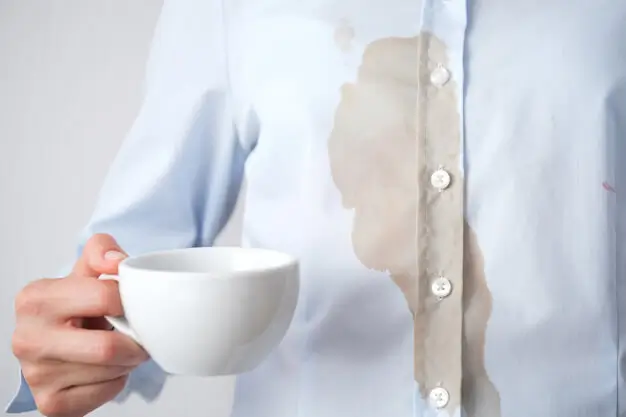
What to Do Within the First 2 Minutes of a Coffee Spill
When a spill occurs, grab a clean cloth or a thick paper towel. This is the most critical window for removing coffee stains. You must blot the area gently. Start from the outside of the spill and move toward the center. This prevents the liquid from spreading further across the garment.
Never rub the fabric. Rubbing pushes the coffee deeper into the fibers and can fray the material’s surface. Avoid using hot water at this initial stage. Hot water can cook the proteins or tannins into the fabric, making the mark permanent.
Use only a dry, clean cloth to soak up as much liquid as possible. If you are near a sink, you can move to the next step of rinsing, but the immediate goal is purely absorption.
Fast Home Methods for Fresh Coffee Stains (No Scrubbing Needed)
You can often remove coffee stains from clothes using simple items found in your pantry or laundry room. These methods work best for fresh spills that have not yet dried. Most washable fabrics, such as cotton and polyester, respond well to these quick fixes.
The goal is to lift the pigment without compromising the garment’s structural integrity. To avoid scrubbing, we focus on saturation and chemical breakdown. These “no-stress” solutions are designed to be gentle but effective.
Cold Water Flush Method
The best way to get rid of coffee stains from clothes is to start with a cold-water wash from the inside out. Turn your garment inside out so the back of the stain faces you. Hold it under a high-pressure cold-water faucet. This forces the coffee back out the way it sat, rather than pushing it through the entire fabric.
Continue this process for several minutes. You will see the dark brown color start to fade to a light tan. Keep the water running until the runoff is completely clear. This mechanical flushing is often enough to get rid of coffee stains from clothes if the coffee was black. If the coffee contains milk or sugar, you may need to follow up with a surfactant to emulsify the fats.
Liquid Detergent Soak Method
If a water flush does not finish the job, use a high-quality liquid detergent. Apply a small amount of the liquid detergent directly onto the damp stain. Do not rub it in with your fingers or a brush. Instead, let the soap sit on the fabric for at least five to ten minutes.
The enzymes in the liquid detergent work to break the bond between the tannins and the fibers. This soaking method is superior to scrubbing because it preserves the fabric’s texture.
Scrubbing often leaves a “fuzzy” or faded patch where the stain used to be. After the soak, rinse again with cold water. This is a reliable way to get rid of coffee stains from clothes without causing any physical wear and tear.
How to Remove Dried or Old Coffee Stains
Sometimes you do not notice a spill until it is too late. Dried stains require more patience and a different chemical approach. The tannins have now fully bonded with the material. You must rehydrate the stain to break those bonds.
Before you start, check the care label. Also, do not apply any heat, such as an iron or a tumble dryer, until you are certain the spot is gone. Heat will lock the residue into the cloth forever. To remove coffee stains from clothes that have been sitting for hours or days, you need substances that can penetrate the hardened surface.
Baking Soda and Water Paste
Baking soda is a mild abrasive and an excellent absorbent. To remove coffee stains from clothes, mix a tablespoon of baking soda with a few drops of water. Create a thick paste. Spread this paste over the dried stain and let it sit for 15 to 20 minutes.
As the paste sits, it draws the coffee pigments from the fabric into the soda. You might see the white paste turn brown as it works. This indicates that the coffee stain removal process is successful.
Once the allotted time has elapsed, brush off the dried paste and rinse the area with cold water. This method is safe for most sturdy fabrics and helps neutralize any lingering odors from milk or cream.
White Vinegar and Water Solution
White vinegar is a natural acetic acid that works wonders on stubborn organic marks. Mix one part white vinegar with two parts cold water. Use a clean cloth to dab this solution onto the dried coffee spot. The acid helps break down the residual tannins that water alone cannot touch.
Keep dabbing until the spot lightens. You may need to repeat this several times for very old stains. This is a common technique to get coffee stains out of clothes when they have survived a trip through the hamper. Always rinse the area thoroughly afterward to remove the vinegar smell.
Coffee Stain Removal for White Clothes
White garments are the most stressful to clean because there is no place for a ghost stain to hide. However, you have more options because you don’t have to worry about color fading. To remove coffee stains from white clothes, use diluted lemon juice or oxygen-based bleach.
Always test a small, hidden area first to check for yellowing. Some synthetic white fabrics react poorly to certain chemicals and can turn a dingy yellow. If the stain persists, a long soak in cold water and a heavy-duty liquid detergent is your best option.
Avoid using chlorine bleach unless the care label specifically allows it, as it can actually weaken the fibers and make the spot more noticeable over time.
Coffee Stain Removal for Colored Clothes
When you want to get rid of coffee stains from clothes that are bright or dark, color fastness is your main priority. Avoid harsh chemicals or heavy bleaching agents. Stick to cold-water flush and mild liquid detergent methods.
Never use hot water, as it can cause the garment’s dye to bleed into the coffee. If the stain is stubborn, use a mixture of water and a tiny bit of vinegar, but don’t let it sit for too long. Always rinse with cold water immediately after the treatment. This ensures you remove coffee stains from clothes without leaving a bleached-out ring where the color used to be.
Fabric-Based Coffee Stain Removal Guide
Different materials react differently to moisture and cleaning agents. A method that works for a cotton tee might ruin a silk blouse. Understanding the nature of the fiber is the key to successful coffee stain removal.
Cotton and Linen
These are natural, durable fibers. They can handle soaking and mild agitation. You can remove coffee stains from clothes made of cotton by using the cold water flush followed by a liquid detergent soak.
Because cotton is highly absorbent, coffee can penetrate deeply into the thread, so a 30-minute soak is often beneficial. These fabrics are generally safe for the baking soda paste method as well.
Wool and Silk
These are protein-based fibers and are extremely delicate. You should never use baking soda or harsh detergents on them. If you spill coffee on silk, use only a damp, clean cloth to blot it. To remove coffee stains from clothes made of these materials, it is best to avoid DIY soaking.
Excessive water can misshape wool or water-spot silk. For these high-end items, the safest route is to seek professional help. We recommend looking into the best laundry services in Lake City or your local area to handle these specialty items. Professional cleaners use the appropriate solvents to clean these fibers without water.
Denim and Thick Fabrics
Denim is a heavy twill weave that traps liquids deep within its layers. To remove coffee stains from clothes like jeans or jackets, you need a high-pressure water rinse. You might need to repeat the rinsing process multiple times.
Because the fabric is thick, the coffee can hide in the inner layers and reappear as the garment dries. A cold water wash in a machine after pretreating is usually necessary to ensure the core of the fabric is clean.
Natural Coffee Stain Removal Methods
If you prefer to avoid chemicals, natural solutions are quite effective. Vinegar, baking soda, and even salt can help you remove coffee stains from clothes. Salt works well as an absorbent on fresh spills; pile it on top to draw the liquid out. Vinegar acts as a mild solvent.
These natural methods are ideal for people with sensitive skin or for baby clothes. However, they require more time and manual effort than industrial cleaners. Use these when the stain is fresh and the fabric is sturdy.
For organic stains such as coffee or tea, natural acids are often the most logical choice for an initial attempt. If you want to know more about the best products, you can read about laundry powder vs liquid to see which carries better natural enzymes.
Common Mistakes That Make Coffee Stains Worse
The biggest mistake people make is using hot water first. Heat sets the stain. Another error is rubbing the fabric vigorously. This breaks the fibers, creating a permanent “pill” or fuzzy texture. Some people also try to use bar soap. While bar soap is great for hands, it can react with coffee’s tannins and set the color.
Finally, never put a garment in the dryer if you can still see a hint of the stain. The dryer’s high heat will bake the remaining coffee into the shirt. If the stain remains after washing, repeat the treatment or contact us for a professional consultation. Avoiding these mistakes is the only way to successfully get coffee stains out of clothes.
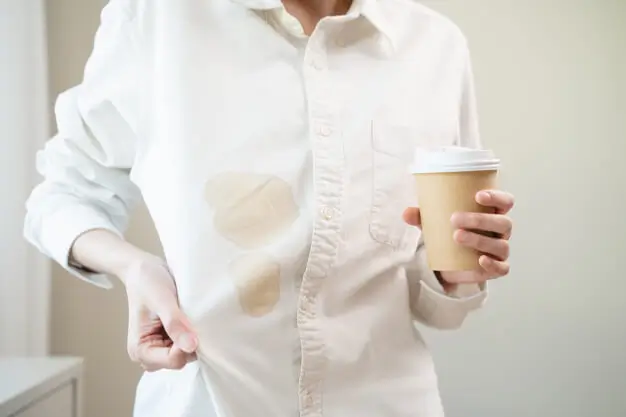
When to Choose Professional Laundry and Dry Cleaning
Sometimes, DIY methods are not enough. If you are dealing with a “Dry Clean Only” label, do not touch it with water. You should also seek professional help if the stain is very large or has been set by heat. Professional cleaners have access to industrial-grade ultrasonic tools and specialized tannin-removers that are not available in stores.
If you have tried to remove coffee stains from clothes twice and the mark is still there, stop. Further DIY attempts could permanently damage the fabric. At Love2Laundry, we specialize in high-stakes stain removal.
Whether it is a wedding shirt or an expensive wool coat, we have the expertise to restore it. If you are also struggling with other beverages, we can help you remove tea stains from clothes with equal precision.
How Love2Laundry Pakistan Removes Coffee Stains Safely
At Love2Laundry, we treat every garment with a customized plan. First, our experts inspect the fabric type and the age of the stain. We don’t just throw everything in a machine. We use targeted pre-treatment solutions designed specifically for tannin-based marks.
Our process involves eco-friendly solvents that break down the coffee oils without stripping the fabric’s color. We use controlled temperature environments to ensure the cloth does not shrink or warp.
This professional approach is the most reliable way to remove coffee stains from clothes while maintaining the garment’s longevity. You can check our pricing online to see how affordable professional care can be. We take the stress out of laundry day by providing a service that is both thorough and convenient.
Final Tips to Prevent Coffee Stains in the Future
Prevention is always better than a cure. If you are a frequent commuter, use a spill-proof travel mug. Keep a small stain-removal pen in your desk or bag for emergencies. The faster you act, the easier it is to remove coffee stains from clothes.
If a spill occurs at work, rinse the spot immediately with cold water in the break room sink. This keeps the tannins from drying out and bonding. Regular maintenance of your wardrobe also helps; well-conditioned fabrics are sometimes more resistant to immediate absorption. Remember, a little preparation goes a long way in keeping your clothes looking brand new.
FAQs – Remove Coffee Stains From Clothes
Does vinegar remove coffee stains?
Yes, the acetic acid in white vinegar effectively breaks down the tanning agents in coffee. It is best used as a diluted solution on dried or stubborn marks.
Should I wash a coffee stain in hot or cold water?
Always use cold water for the initial treatment to prevent the stain from setting. Hot water should only be used after the stain is completely gone.
Can toothpaste remove coffee stains?
White, non-gel toothpaste can sometimes act as a mild abrasive to lift pigments. However, it is not the most reliable method and may leave its own residue on delicate fabrics.
Spilled Coffee Should Not Be A Reason for Chaos Anymore
Learning how to remove coffee stains from clothes is a vital skill for anyone who enjoys a daily caffeine fix. The secret to success lies in the speed of your reaction and the temperature of the water you use. By resisting the urge to scrub and choosing appropriate soaking agents, you can protect your wardrobe from permanent damage.
Whether you use a simple cold-water wash or a more involved baking-soda paste, the goal is to lift tannins before they become part of the fiber. For those truly difficult cases or delicate fabrics like silk and wool, don’t risk a DIY disaster. Professional services offer the safest and most effective results.
Summarizing these steps will help you stay calm the next time a spill occurs. If you need expert help to get coffee stains out of clothes, Love2Laundry is always ready to assist with professional care and fast turnaround times.