How to Remove Mehendi Stains from Clothes: Proven Methods That Save Your Outfit

Mehendi is a beautiful celebration of culture and artistry, but a sudden spill on your favorite dress can feel like a disaster. If you need to remove mehendi stains from clothes, acting fast is your best ally in preventing permanent discoloration. Henna contains natural tannins that bond quickly to fabric fibers, much like ink, making it challenging to remove once it sets.
These pigments are semi-permanent, which is why they remain on your skin for weeks. On fabric, they act even faster, seeping into the weave and binding to the fibers as they dry.
This guide offers professional secrets for removing henna from clothes before the stain becomes a permanent part of your wardrobe. By understanding the chemical nature of the dye and acting with precision, you can save your expensive silks and cottons from the bin. Every minute counts when you want to get rid of henna stains effectively.
Why Mehendi Stains Are So Difficult to Remove
Henna is a natural dye designed to stain surfaces deeply. Once the paste dries, the dye penetrates the fabric fibers, making it harder to remove henna from clothes compared to simple stains like mud. Henna molecules are small enough to lodge deep within the porous structure of cotton or linen, making it challenging to get rid of henna stains without using the right stain remover.
Once the dye oxidizes, it changes from bright green to a dark reddish-brown. This oxidation creates a strong chemical bond with the fabric. If you wait too long, the stain becomes embedded in the threads, which is why standard washing often fails to remove mehendi stains after the first hour.
What to Do Immediately After a Mehendi Spill
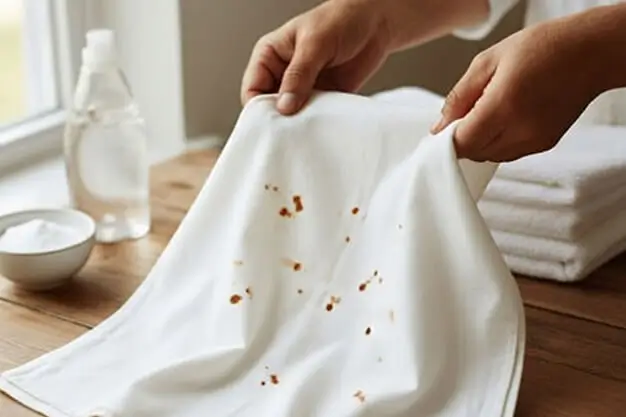
Lift the excess paste with a spoon; don’t wipe it, as this can spread the pigment across a larger area. Use a clean cloth to blot any remaining liquid, being careful not to spread the pigment into the fabric weave. Press down firmly to absorb the moisture, but avoid moving the cloth side to side.
Check the Fabric Type Before Treatment
Before you start, you must read the washing labels. Different materials react differently to moisture and agitation. Silk and wool don’t respond well to water-based home treatments and can shrink or lose their luster if exposed to too much water or the wrong detergent. If the label says “dry clean only,” avoid attempting a DIY fix.
Synthetic fabrics like polyester or nylon are a bit more resilient. They don’t absorb the dye as quickly as natural cotton. However, they can still hold a “ghost” stain if not treated correctly. Understanding your fabric helps you choose the right henna stain remover without causing permanent texture damage or color bleeding.
Method 1 – Cold Water Rinse for Fresh Mehendi Stains
A Cold Water Wash is the best first step for wet spills. Turn the garment inside out. This is a professional trick. By spraying water from the back of the fabric, you push the particles out of the way they came in. Let the water push the dye out of the fibers rather than through them. This prevents the stain from setting.
Never use hot or even lukewarm water at this stage. High temperatures act as a fixative for natural dyes. If you use heat, you are essentially sealing the henna into the shirt. Run cold water through the spot for at least five minutes to remove mehendi stains from clothes effectively.
Method 2 – Mild Detergent Pre-Treatment
Apply a small amount of liquid soap directly to the stain. When deciding between laundry powder vs liquid, liquid soap is your best bet—it penetrates fibers faster. Powder can be abrasive and may not dissolve well in cold water, which is essential for this process. Gently rub the detergent into the fabric with your fingers to help remove henna from clothes.
Let the detergent sit on the stain for at least ten minutes to allow the surfactants to lift the dye molecules from the fabric. If the stain is large, use a soft-bristled brush and work in small, gentle circles to avoid damaging the delicate fibers.
Method 3 – Lemon Juice for Light-Colored Clothes
Lemon juice acts as a mild bleaching agent and is a great henna stain remover for white or pastel fabrics. It breaks down the organic compounds in the henna dye, while its acidity works to dissolve the tannins that give the stain its dark color. This makes it an excellent natural alternative to harsh chemical cleaners.
How to Apply Lemon Juice Safely
Dab juice on the spot. Put the garment in the sun for thirty minutes. The UV rays from the sun work with the citric acid to boost the lightning effect. This helps remove stains from white clothes naturally. Always rinse the juice out thoroughly afterward, as dried sugar from the fruit can attract dust or cause yellowing over time.
Method 4 – Baking Soda Paste for Stubborn Stains
If the mark is dry, you need a stronger abrasive. A baking soda paste for henna stains works by lifting the pigment out of the thread. Baking soda is alkaline, which can help neutralize some of the acidic components of the henna dye. It also provides a mechanical cleaning action without being as destructive as bleach.
Preparing and Using the Paste
Mix baking soda with a small amount of water to create a thick paste. Apply a generous layer of the paste over the stain, covering the entire affected area and a small margin around it. Let the paste dry completely. Once dry, scrub it off to remove mehendi stains from clothes. The drying process helps draw the dye out of the fabric and into the soda crust.
Method 5 – White Vinegar for Deep Mehendi Marks
Vinegar is acidic and helps get rid of henna stains that have turned dark brown. It is particularly good at breaking down the metallic salts often found in commercial mehendi cones. Soak the area in a mix of vinegar and water for ten minutes before rinsing. This can often revive a garment that looks like it is headed for the trash.
You can also mix vinegar with a little dish soap for extra cleaning power. This combination tackles both the dye and any oils that might be mixed into the henna paste. It is a powerful way to remove mehendi stains from clothes when other methods fail.
What NOT to Do When Removing Mehendi Stains
Vinegar’s acidity helps get rid of henna stains that have turned dark brown. It’s especially effective at breaking down the metallic salts often found in commercial mehendi cones. Soak the stained area in a mix of vinegar and water for ten minutes before rinsing. This method can often save a garment that looks like it’s headed for the trash.
For extra cleaning power, you can mix vinegar with a little dish soap. This combination tackles both the dye and any oils mixed into the henna paste, providing a powerful way to remove mehendi stains from clothes when other methods fail.
When Home Remedies Aren’t Enough
Sometimes the dye is too stubborn. This is common with high-quality, “dark-staining” henna used for bridal designs. If the mark stays after two washes, stop. Further rubbing will ruin the fabric. You do not want to create a hole while trying to fix a color. It is time to contact us for expert help.
Professionals have access to specific enzyme cleaners that are not available in grocery stores. These enzymes are designed to “eat” organic proteins and dyes. If you want to get henna out of clothes without damaging expensive designer wear, professional intervention is the safest option.
How Professional Laundry & Dry Cleaning Saves Mehendi-Stained Clothes
Experts use non-polar solvents. These chemicals dissolve the dye without using water that might shrink the garment. You can check our pricing to see how affordable saving on a luxury outfit can be. Our team knows how to get henna off clothes safely. We use a process called “spotting,” where we treat only the affected area with precision tools.
Dry cleaning is especially important for heavy embroidery or sequin work. Water-based home cleaning can cause metal threads to tarnish or glue to dissolve. By choosing a pro, you ensure your outfit stays in its original shape while we work to remove mehendi stains from clothes.
Tips to Prevent Mehendi Stains on Clothes
Wear old clothes during the mehendi application. If you’re the bride, use a plastic apron or large towel to cover your lap. Keep your sleeves rolled up high or opt for a sleeveless design during the application. Once the paste is on your skin, avoid moving too much until it dries and is sealed with lemon-sugar water.
Another tip is to have a friend assist you with tasks like moving or drinking water, so you don’t risk getting henna on your outfit. By taking these precautions, you can avoid the need to remove mehendi stains from clothes later. Prevention is always easier than dealing with stains later.
FAQs – How to remove Mehendi Stains from Clothes
How to remove mehndi stains immediately?
Blot the area with a dry tissue to soak up excess moisture. Then, rinse the spot from the back with cold water to flush out the dye and begin the process of removing mehendi stains from clothes.
Does rubbing alcohol take off henna?
Yes, isopropyl alcohol breaks down the oils and pigments in the henna dye. Apply it with a cotton ball and blot the area until the color fades, helping to remove henna from clothes effectively.
Will hand sanitizer take off henna?
The high alcohol content in sanitizer makes it an effective emergency tool. Squirt some on the spot and wipe it away with a paper towel.
Final Thoughts – Don’t Let Mehendi Ruin Your Favorite Outfit
It’s natural to panic when you spot a dark henna stain on your favorite festive outfit. However, by following the steps in this guide, you can remove mehendi stains from clothes and avoid permanent damage. Always prioritize fabric safety and structure before applying harsh treatments.
If a DIY attempt to remove henna from clothes doesn’t work, professional cleaners are your go-to solution. We have the industrial-grade tools and specialized solvents needed to tackle even the toughest, deep-set stains. Keep this guide handy during wedding season to get rid of henna stains and keep your wardrobe looking flawless.