What Is Laundry Detergent? How It Works and When to Use It

Laundry is a constant chore in every home. We often toss clothes into the machine without a second thought. However, the science behind the bubbles is quite fascinating. Have you ever wondered what is laundry detergent and how it actually cleans?
Understanding the chemistry of your cleaning products is vital for achieving better cleaning of your wardrobe. In Pakistan, we face unique challenges like dust, high humidity, and varying water quality. Using the right product ensures that your favorite lawn suits and formal wear stay bright.
Proper fabric care starts with choosing the right formula. The wrong choice can lead to faded colors or stiff fabrics. Professional laundry & dry cleaning services focus on these details to give you the best results.
Whether you are dealing with tough oil stains from a hearty dinner or everyday sweat, knowing what is laundry detergent helps you make better decisions. This guide will explore how these cleaners work. We will also look at when to use them for the best outcome.
What Is Laundry Detergent?
What is laundry detergent exactly? It is a powerful cleaning agent designed to remove dirt and stains from fabrics using synthetic chemicals. Unlike traditional soap, detergents are engineered to work effectively in various water conditions. Soaps are made from natural fats and may leave a sticky residue.
Detergents differ because they are formulated to remain soluble, which makes them essential for modern washing machines. They rinse away easily without clogging your appliance’s pipes. Professional laundry services depend on these specialized formulas to handle high volumes of clothing.
These products do more than just clean; they protect the structural integrity of the fibers. While soap might struggle with the minerals in our local water, a good detergent excels. It breaks the bond between the grime and the cloth. This ensures that your garments come out looking fresh every single time.
Main Ingredients in Laundry Detergent and Their Roles
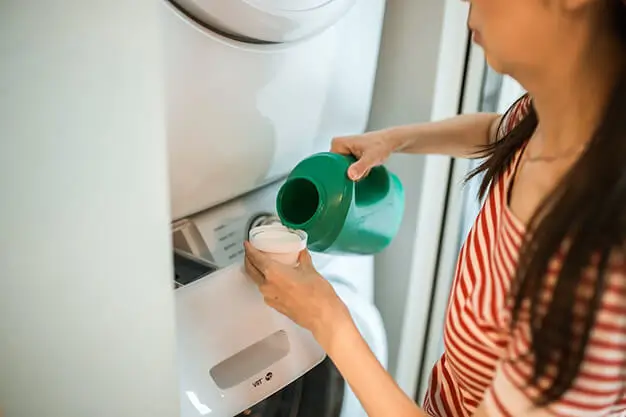
Every bottle or box contains a mix of components of laundry powder or liquid. These ingredients work together to tackle various types of messes. Most products include main cleaning ingredients that target specific problems. Let’s look at the core parts that make your wash successful.
Surfactants – The Core Cleaning Agents
Surfactants are the “workhorses” of any cleaner. Imagine trying to mix oil and water. They naturally repel each other. Surfactants have two ends: one loves water, and the other loves oil. When you wash your clothes, the oil-loving end grabs onto the grease on your shirt.
The water-loving end stays submerged. As the machine agitates, the surfactant pulls the oil into the water. This is how laundry powder works to lift away the grime that plain water cannot reach.
Enzymes – Targeting Tough Stains
Enzymes are biological catalysts that accelerate chemical reactions. They act like tiny scissors, cutting apart large stain molecules. Proteases break down proteins, such as blood or grass stains. Lipase targets oily food stains, and amylase works on starches, like those in pasta sauce. Amylase works on starches, such as those in pasta sauce.
These are often considered biodegradable materials within the formula. Professional laundry and dry cleaning services use enzyme-rich detergents to ensure deep cleaning without damaging the cloth.
Builders & Water Softeners
Builders are crucial, especially in many regions of Pakistan where hard water is common. Hard water contains high levels of calcium and magnesium, which interfere with the cleaning process. Builders soften the water by binding to these minerals.
This allows the surfactants to focus on the dirt rather than the water. Without builders, you would need much more product to get the same level of cleanliness.
Fragrances & Brighteners
We all love the scent of fresh laundry. Fragrances provide that “clean” smell that lingers on your clothes. However, if you have sensitive skin, these can sometimes irritate. In such cases, fragrance-free options are a better choice.
Optical brighteners are another common addition. They don’t actually remove dirt. Instead, they absorb UV light and emit a blue tint. This makes yellowed fabrics appear whiter and brighter to the eye. It gives your clothes that “like-new” look after every wash.
How Laundry Detergent Works Step by Step
To truly understand how laundry powder works, you need to see the process in action. It is a multi-stage journey from the moment you press “start” to the final spin.
Step 1 – Penetrating Fabric Fibres
Once the cycle begins, the detergent dissolves in the water, and surfactants reduce the surface tension. This allows the liquid to penetrate deep into the fabric fibers, reaching the hidden dirt trapped in the weave of your clothes.
Step 2 – Breaking Down and Lifting Dirt
Now the active components of the laundry powder go to work. The surfactants latch onto oily spots, while the enzymes start breaking down complex organic stains. They loosen the bond between the dirt and fabric without causing any wear or tear to the delicate fibers.
Step 3 – Suspending Dirt in Water
It’s not enough to just lift the dirt; you need to keep it suspended. Detergents contain anti-redeposition agents that prevent grime from settling back onto your clothes during the wash.
Step 4 – Rinsing Away Residue
In the final stage, the machine drains the dirty water. Fresh water rinses through the fabric to remove any remaining detergent. Because modern formulas are highly soluble, they leave minimal residue behind. This leaves your garments soft and ready to dry.
Types of Laundry Detergents Explained
Choosing the best laundry detergent for clothes depends on your specific needs. There are three main formats commonly used in households and professional settings. The specialized formula demonstrates how laundry powder works by using granulated oxygen bleach that dissolves slowly, maintaining a steady cleaning pH throughout the entire cycle.
This slow-release mechanism is particularly effective at removing deeply embedded organic pigments from white cotton fabrics without prematurely thinning the fibers. Here are some of the types of laundry detergents:
Powder Detergent
This classic choice is very popular in Pakistan. It’s cost-effective and comes in large packs. Powder detergent is excellent for heavily soiled loads, like kids’ play clothes or muddy uniforms. It often contains bleach alternatives that keep whites bright. However, it can sometimes be hard to dissolve in cold water.
Liquid Detergent
Liquid detergent is the most versatile option. It dissolves instantly in any water temperature and is the best choice for pre-treating stains. You can rub a little directly onto a grease spot before tossing it in the machine. It’s gentler on colors and works well for quick wash cycles.
Detergent Pods & Capsules
Pods are all about convenience. They contain pre-measured doses of concentrated liquid, so you don’t have to worry about measuring or spills. While they are easy to use, they tend to be the most expensive option and might not be suitable for small loads since you can’t adjust the detergent amount.
Laundry Detergent vs Dry Cleaning Solvents
It’s essential to know the difference between home washing and professional care. Home washing uses water-based detergents (known as “wet cleaning”), while dry cleaning uses chemical solvents instead of water.
These solvents are much gentler on certain fibers. For example, water can cause wool to shrink or silk to lose its shine. If you have a structured suit or a delicate wedding dress, dry cleaning is the safer choice. It removes oil-based stains without risking fabric distortion.
When Should You Use Which Detergent?
Using the right product is key to garment longevity. If you are unsure, you can check the pricing for different services or consult a professional.
Everyday Clothing & Casual Wear
For daily cotton shirts and linens, a general-purpose liquid or powder detergent is fine. These detergents are designed to handle common dirt and sweat while providing a balance of cleaning power and fabric protection for regular use.
Delicate Fabrics & Formal Wear
Silks, wools, and embellished party wear require special attention. Use a mild, pH-neutral detergent when washing these items at home. However, for high-value pieces, a reliable laundry service is highly recommended. They have the expertise to handle “dry clean only” labels correctly.
Heavily Soiled or Stained Clothes
If you are dealing with stubborn grease or deep-set stains, you need a more potent formula. Enzyme-rich powders are best here. If the stain won’t budge, it might be time to contact us for professional help. Experts have access to industrial-grade stain removers that are not available in stores.
Common Laundry Detergent Mistakes to Avoid
Many people believe that more bubbles mean cleaner clothes, but this is a myth! Overusing detergent can leave a film on your garments, which attracts more dirt and can irritate your skin.
It can also lead to mold growth inside your washing machine. Another common mistake is mixing different product types. Combining bleach with certain detergents can create dangerous fumes. Always follow the instructions on the packaging for optimal results.
Environmental & Skin Considerations
Today, many people seek natural ingredients in their cleaning products. Traditional detergents may contain phosphates, which harm aquatic life. Choosing products with biodegradable materials helps reduce your environmental footprint.
If you have a baby or family members with allergies, look for “hypoallergenic” or “sensitive” formulas. Professional services often use high-efficiency machines that optimize water and detergent usage. This is better for the planet and your clothes.
Why Professional Laundry & Dry Cleaning Gets Better Results
You might wonder what is laundry detergent’s role in a professional setting. Experts use commercial-grade products that are far more effective than supermarket brands. Services like Love2Laundry utilize precise dosing systems, ensuring that every load gets exactly what it needs, no more, no less.
They perform a detailed fabric assessment before any cycle begins. This prevents accidental damage to fragile items. By using specialized components of laundry powder and high-tech equipment, professionals can remove stains that seem impossible at home.
This level of care significantly extends the life of your wardrobe. It saves you time and ensures your clothes always look their best.
FAQs – What Is Laundry Detergent
What is the main ingredient in laundry detergent?
The primary active components are surfactants, which lower water tension to lift grease. Builders and enzymes support these to improve overall cleaning performance.
Is laundry powder suitable for a washing machine?
Powder detergent is excellent for most machines but requires proper dissolution to avoid buildup. It works best in warm cycles and is highly effective for heavily soiled loads.
What are the disadvantages of washing powder?
It can leave white streaks on dark clothes if it doesn’t dissolve completely. Additionally, the bulky cardboard packaging can be difficult to store in small laundry areas.
Conclusion: Choosing the Right Laundry Detergent for Better Fabric Care
In conclusion, knowing what is laundry detergent is the first step toward better garment care. We’ve explored how surfactants, enzymes, and builders work together to keep our clothes fresh. Whether you prefer the cost-effectiveness of powder or the convenience of liquid, choosing the right product matters. For everyday items, home washing is ideal. However, for special pieces or stubborn stains, professional help is invaluable.
Making smarter choices at home protects your fabrics from premature wear. To understand the costs involved, check the pros and cons of laundry powder vs. liquid, or review professional pricing. If you want ultimate peace of mind, a reliable laundry service like Love2Laundry is your best choice.
They understand the “why” and “how” behind every wash. For any questions about your specific fabric needs, feel free to contact us. Let the experts handle the science while you enjoy the freshness! For more tips on fabric care, you can read about the truth about fabric softener on our blog. Investing in quality care today ensures your clothes stay beautiful for years to come.